The housing market may not be as hot as in previous years, but selling now could be your best bet.
Few people are predicting that 2020 will be a record-breaking year for home sale prices.
But relatively speaking, 2020 might be the best time to put your house on the market especially if you’re on the fence about selling this year or next. It may be better to sell in an environment that's more predictable, as it’s an election year which are typically stable, rather than wait for time to pass and circumstances to change.
The National Association of Realtors has predicted the housing market will slow around 2%. This means home prices will continue to rise, but at a moderate pace.

Four Reasons to Sell Your Home or Investment Property in 2020:
Articles Sighted: US News: Why You Should Sell Your Home
New Buyers are Still Entering the Market
The biggest wave of new homebuyers will continue to be millennials, who are mostly first-time homebuyers. However, depending on where you live, you may see the youngest generation of adults breaking into homeownership as well. Members of Generation Z, make up a significant portion of the homebuyer market.
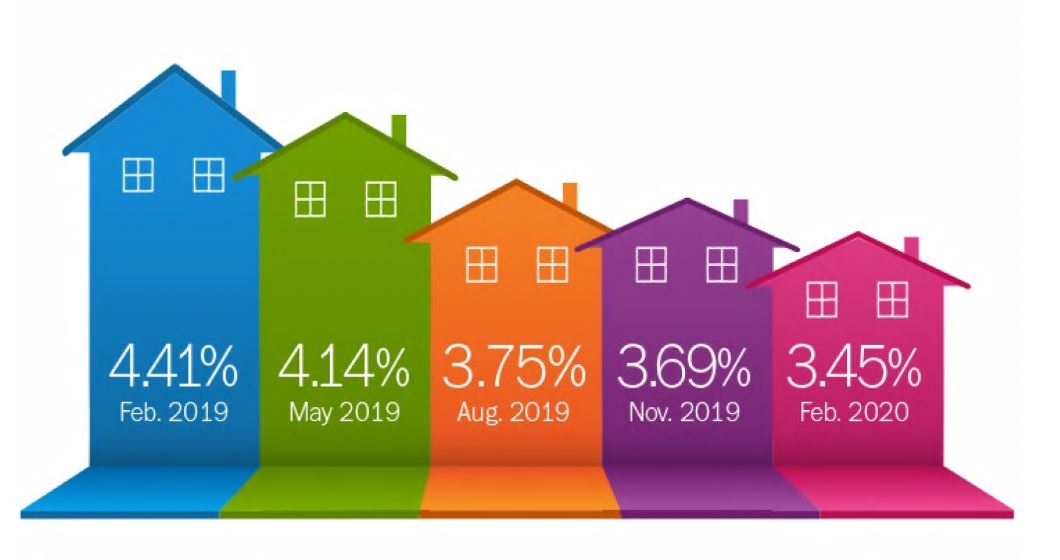
Interest Rates are Expected to Remain Low
Interest rates are expected to remain low throughout 2020, which will help new buyers obtain financing for their first home purchase. The Federal Reserve left interest rates unchanged in December 2019 with the target range of 1.5% to 1.75% and noted its intention to keep rates as-is throughout 2020.
Washington Post Business 2020: Thinking of buying a home here’s what you need to know about market conditions.
You Have High Equity
If you’ve been in your home for more than a couple years, you’ve been building equity as the property value increases and you make consistent mortgage payments. The more equity you have in your home, the more profit you'll likely see when you sell the property. That, in turn, can be used for a larger down payment on your next house, other expenses or savings.
There’s No Telling What 2021 Holds
According to the National Association for Business Economics Outlook Survey for December 2019, none of the 53 professional forecasters surveyed expect a recession in 2020, though GDP growth is expected to slow. On the other hand, 2021 is a different story: Respondents estimate a 66% chance of a recession starting by mid-2021.